
- Nearby me
- Something went wrong, please search again.
- No results
- No results
- No results
- No results
Status
Property Type
Status
Property Type
Popular Features
Property Resources
Community Features
Association
Financing Options
Rent Type Allowed
Property Features
Waterfront
View
Exterior Features
Interior Features
Style
Property Amenities


.webp)


Our proven results
Experience in the market
- 350M+ Sales
- 40M+ Listings
- 5600+ Happy Customers
Press Mentions
- What Should Landlords Expect From Florida Home Insurance Costs? Test Publication
- Alys Beach 1 AAA
- Which Florida Markets Can Make Sense for Real Estate Investors? Test Publication
Communities
Live Where It Feels Like Vacation, Every Day
Test very long title - Lorem ipsum dolor sit amet

Test very long title - Lorem ipsum dolor sit amet
aa aa aa bb cc Phasellus nisl purus, viverra sit amet urna quis, luctus convallis odio. Nulla vehicula augue ex, eu mattis quam laoreet id. Cras ultrices volutpat felis, quis semper odio scelerisque eget. Aliquam erat volutpat. Nulla in aliquam ante. Nulla nec egestas turpis, et fringilla massa. Suspendisse potenti.
off market

Wings of Gold

Wings of Gold
Pensacola The city, the legend, the badassery None can withstand such bravado as our Pensacola fly boys. And this neighbourhood reflects that. You gotta have a huge ego to live here, and a deep pocket. No slums and gypsies here. This is neighbourhood is gonna pwn your ass
Niceville

Niceville
Life is nice in Niceville. Nothing bad can happen here. Come, move in and enjoy
Seacrest

Walton Dunes

Choctawhatchee Bay

New Listings

Senior community

Tucson, Arizona

Tucson, Arizona
Tucson combines scenic desert landscapes, mountain views, Southwestern character, and a relaxed lifestyle with access to shopping, dining, outdoor recreation, and cultural attractions. The area offers a wide variety of neighborhoods, from established communities with mature landscaping to newer developments with modern amenities. Residents enjoy easy access to hiking and biking trails, golf courses, parks, local restaurants, and destinations throughout the Sonoran Desert. With its warm climate, distinctive scenery, and diverse housing options, Tucson offers something for many different lifestyles. Whether you are looking for a quiet suburban neighborhood, a low-maintenance home, or a property close to outdoor activities and everyday conveniences, Tucson has plenty of communities to explore.
Categories
Homes Tailored to Your Lifestyle
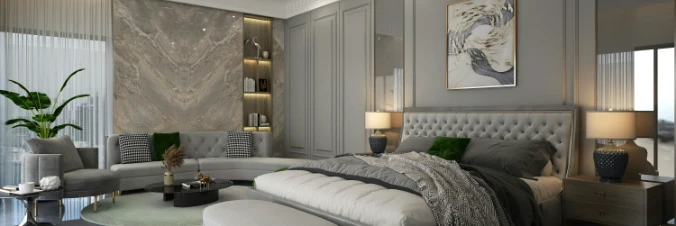
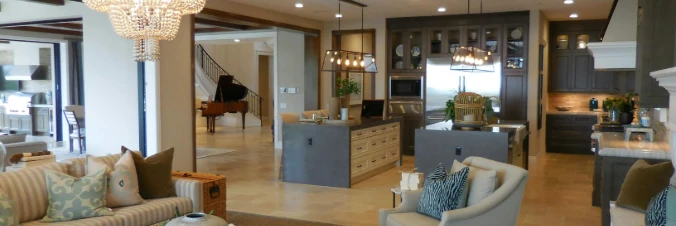
Sellers Guide
Putting your home on the market can be a stressful process, especially when you don’t know what to expect.
View more
Market report
With just a few clicks, you'll gain instant access to valuable insights about the real estate market, including trends, property values, and community analytics.
View more
Home value
Unlike automated valuations, our hands-on review will provide a comprehensive opinion of your home’s value while considering important interior elements and other location intangible factors that machine algorithms so often miss.
View more
Buyers resources
Guides on financing, inspections, and choosing the right Realtor for a smooth home purchase.

Sellers resources
Practical tips on staging, pricing, and preparing your home to attract buyers and maximize your sale.
Work with us
We Do the Work, You Live the Lifestyle
With Over 35 Years Experience and Proven Success in the 30A Real Estate Market, We are Trusted and Respected by our Clients and offer Professionalism at the Highest Standards.Our Local Knowledge Allows us to Provide the Most Honest and Accurate Information to Our Clients. Contact us today for Assistance in Locating your Property Along Scenic Hwy 30a, You won’t be disappointed.

Trusted By Buyers & Sellers
Real client experiences from people who have bought and sold with us.
Ready to experience the difference?
Let’s connect and discuss how we can help you achieve your real estate goals.
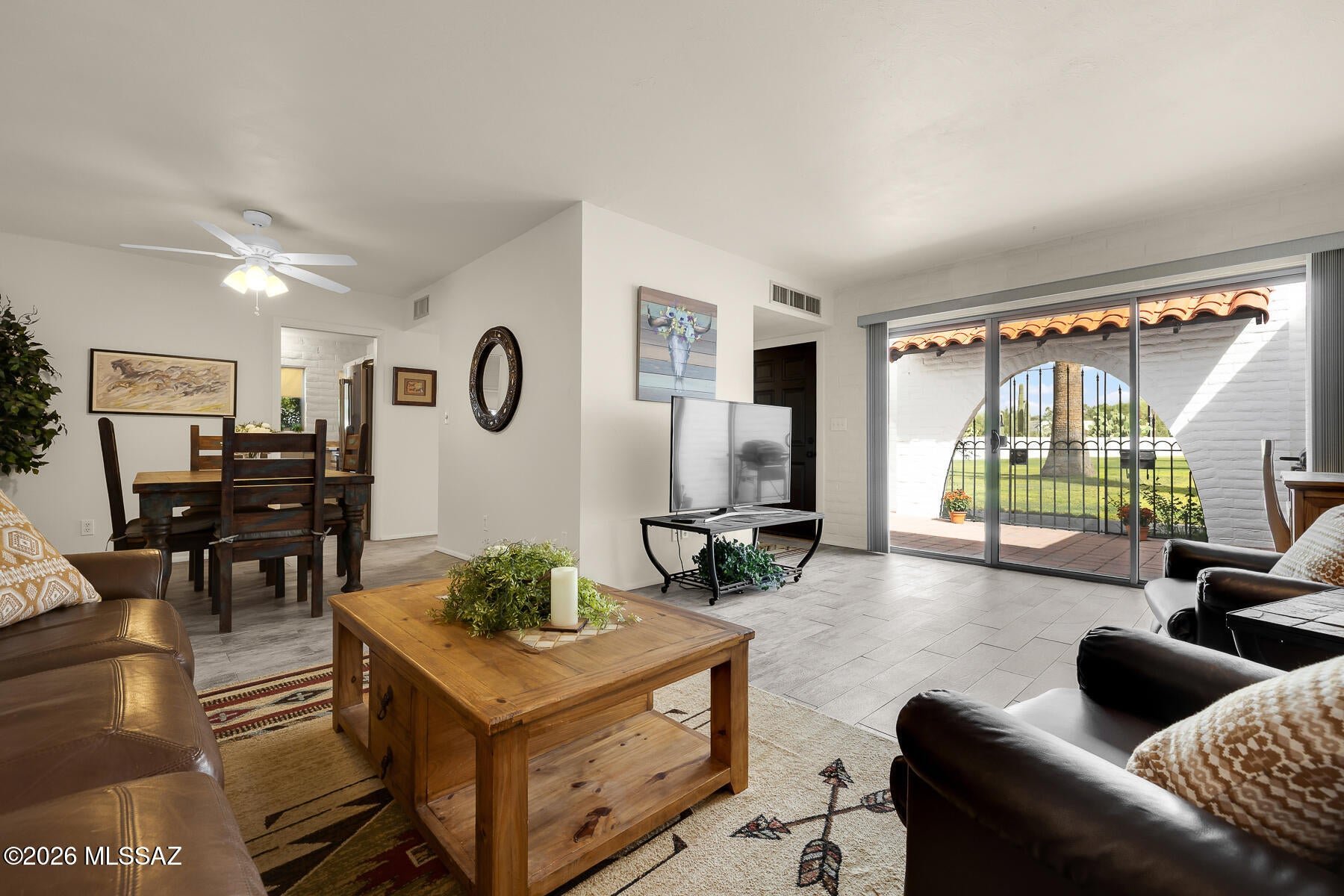
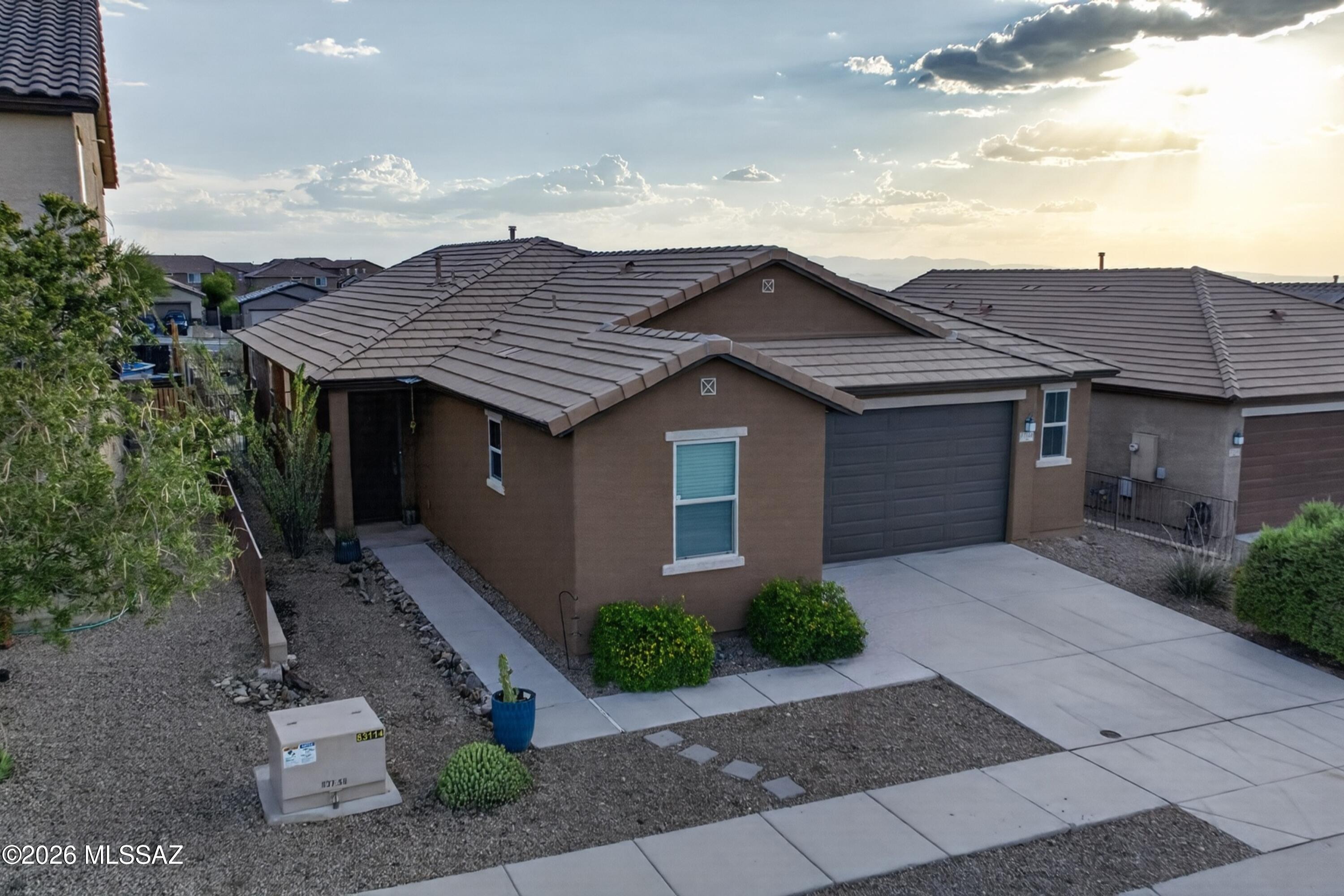
Notable Listings & Sales
Explore featured listings and notable sales that highlight local expertise and proven results.

.webp?size=608x360)


Blog
Recently from Our Blog

How to Make Your Home Feel More Spacious Before Selling
A home doesn’t need extra square footage to feel more open. A few thoughtful changes can help buyers see the space clearly and imagine how they would use it. Start by clearing surfaces. Kitchen counters, bathroom vanities, and shelves look more spacious when they hold only a few useful or decorative items. Keep everyday belongings neatly stored so buyers can focus on the room. Next, review your furniture placement. Oversized pieces or crowded walkways can make a comfortable room feel smaller. Remove unnecessary furniture and arrange what remains to create clear paths between rooms. Make the most of natural light. Clean the windows, open curtains, and move furniture that blocks daylight. Use lamps to brighten darker corners and replace burned-out bulbs before showings. Give closets some attention, too. Buyers often open storage spaces, and tightly packed shelves can suggest there isn’t enough room. Organizing belongings and leaving some breathing space helps demonstrate the storage available. Finally, keep each room’s purpose clear. A spare bedroom used for storage, exercise, and office work can be difficult to understand. Giving it one primary function makes the layout easier to appreciate. The goal is to create a home that feels comfortable, practical, and easy to move through—so buyers can focus on its possibilities.
Read article
What to Look for When Buying Your Next Home
Finding the right home takes more than falling in love with the kitchen. The best choice fits your daily routine, your budget, and your plans for the years ahead. Start with the location. Consider your commute, nearby amenities, and access to parks or public transportation. Visit the neighborhood at different times of day to get a feel for traffic, noise, and activity. Next, focus on the home’s layout and condition. Paint colors and fixtures are easy to change, but room sizes, natural light, storage, and structural issues deserve closer attention. A professional inspection can help uncover problems that aren’t obvious during a showing. Look beyond the asking price, too. Property taxes, insurance, maintenance, and any association fees all contribute to the cost of ownership. Leave room in your budget for repairs and unexpected expenses. Finally, separate your must-haves from your preferences. Knowing where you can compromise makes it easier to recognize a home that meets your needs. The goal is to find a place where you can live comfortably, with a clear understanding of both its possibilities and its responsibilities.
Read article.webp?size=800x800)

What to Look for When Buying Your Next Home
Buying a home means thinking beyond the listing photos. A property should fit your daily life, your budget, and the plans you have for the years ahead. Start by separating your needs from your preferences. The number of bedrooms, a practical layout, and space to work may matter more than finishes you can update later. Knowing your priorities helps you compare homes and recognize where you’re willing to compromise. During a viewing, pay attention to storage, natural light, privacy, and signs of maintenance issues. Ask about the age and condition of major systems, and consider what repairs or improvements you might need after moving in. Your budget should also account for the ongoing costs of ownership, including insurance, maintenance, utilities, and any association fees. The right home is one you can enjoy and comfortably maintain. A clear set of priorities and thoughtful questions can help you approach your search with confidence.
Read article
Follow Us On Instagram